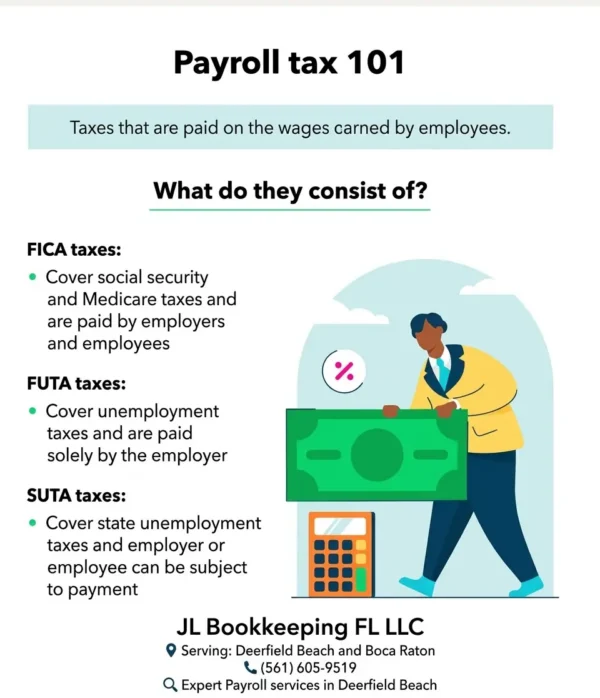
Payroll is more than paying employees on time; it also involves accurate wage calculations, tax withholding, payroll records, reporting, and compliance with federal and state rules. In 2026, businesses can improve payroll accuracy by using updated tax rules, organized records, reliable payroll systems, regular reviews, and professional payroll support.
What Is Payroll Processing and Why Is Accuracy Important?
Payroll processing is the process of calculating employee pay, withholding required taxes, recording deductions, paying employees, and completing required payroll reports. Accurate payroll helps businesses pay employees correctly while meeting their federal, state, and reporting responsibilities.
A payroll process normally includes several steps:
- Collecting employee hours and salary information
- Reviewing overtime and other compensation
- Checking employee tax information
- Calculating gross wages
- Calculating payroll deductions
- Withholding applicable taxes
- Calculating employer payroll taxes
- Processing employee payments
- Recording payroll transactions
- Filing required tax and wage reports
- Maintaining payroll records
Payroll mistakes can affect both the business and its employees. A wrong hourly rate, missing overtime, incorrect tax withholding, or missed filing deadline can create additional work and may lead to penalties or other compliance problems.
For this reason, businesses should treat payroll as a controlled financial process rather than simply a routine payment task.
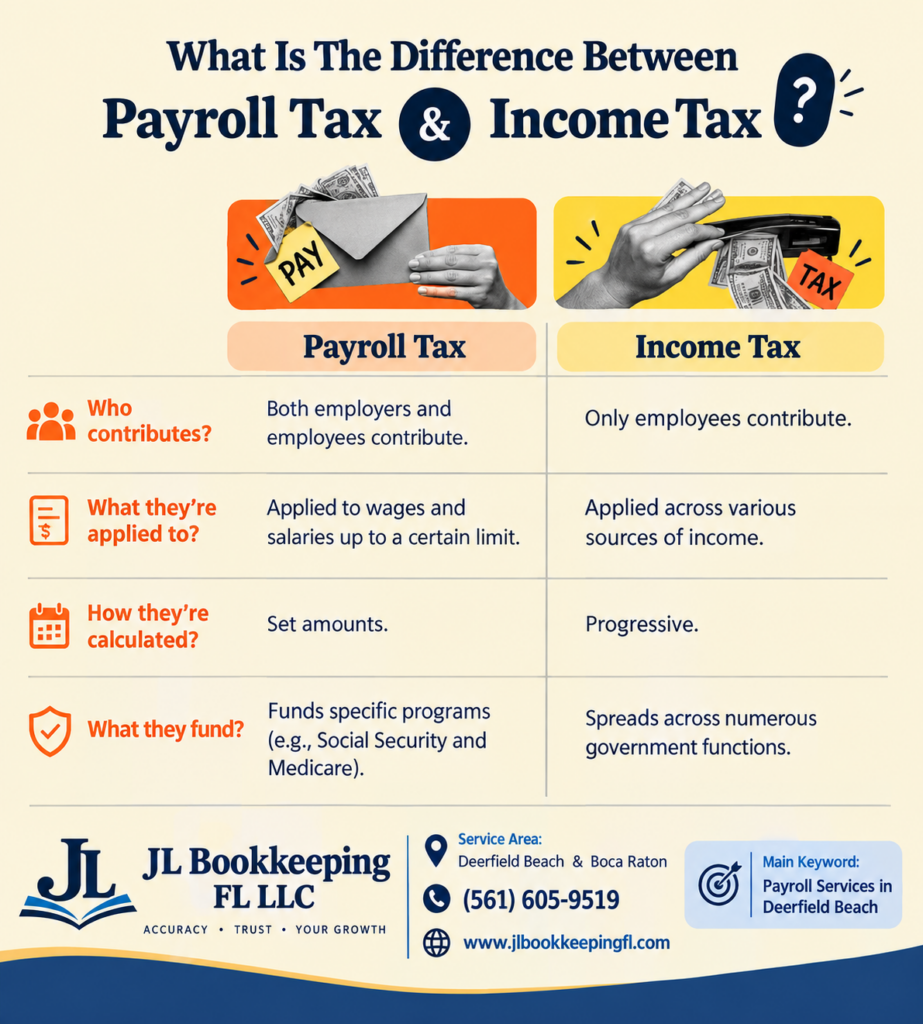
How Does Payroll Processing Work in 2026?
Payroll processing in 2026 follows a series of connected steps that begin with collecting accurate employee information and end with payment, recordkeeping, and required reporting.
A basic payroll cycle looks like this:
Employee Information → Time & Attendance → Gross Pay → Deductions → Tax Withholding → Net Pay → Payroll Records → Tax Filing
Each step matters because an error at the beginning can affect the final paycheck and payroll reports.
Step 1: Collect Employee Information
Businesses should keep current records for each employee, including information needed for payroll and tax reporting.
This may include:
- Legal name
- Address
- Social Security number
- Form W-4 information
- Pay rate
- Employment status
- Work schedule
- Direct deposit information
- Benefits information
- Applicable deductions
Employee information should be reviewed when circumstances change.
Step 2: Review Hours and Compensation
For hourly employees, businesses should verify:
- Regular hours
- Overtime hours
- Paid time
- Bonuses
- Commissions
- Tips where applicable
- Other taxable compensation
For salaried employees, the payroll team should confirm the correct salary and any additional compensation or deductions.
Step 3: Calculate Gross Pay
Gross pay is the employee’s earnings before applicable deductions and tax withholding.
For hourly workers, a basic calculation may involve:
Regular Hours × Regular Rate + Applicable Overtime/Other Pay = Gross Pay
For salaried employees, payroll should follow the employee’s established pay schedule and compensation terms.
Step 4: Calculate Withholding and Deductions
Payroll systems must calculate applicable federal income tax withholding, Social Security, Medicare, and other required or authorized deductions.
The IRS provides 2026 withholding methods and tables in Publication 15-T. Employers should use the applicable 2026 rules rather than relying on outdated tax tables.
Step 5: Process Net Pay
Net pay is the amount the employee receives after applicable taxes and deductions have been taken from gross pay.
Step 6: Record and Report Payroll
The payroll process does not end when employees receive their money. Businesses must also maintain appropriate payroll records and complete required tax and wage reporting.
What Changed for Payroll Taxes in 2026?
Several important federal payroll tax figures apply in 2026, so businesses should make sure their payroll systems are using current information.
For 2026, the Social Security tax rate is 6.2% for the employee and 6.2% for the employer, and the Social Security wage base is $184,500. Medicare tax is 1.45% for both the employee and employer, with no wage base limit for Medicare.
Employers must also account for the Additional Medicare Tax. An employer must withhold an additional 0.9% from an employee’s wages once wages paid to that employee exceed $200,000 during the calendar year. There is no employer matching requirement for this additional 0.9%.
2026 Federal Payroll Tax Reference
The following table outlines the statutory tax rates, wage caps, and withholding thresholds for Federal Insurance Contributions Act (FICA) compliance for the 2026 tax year.
| Payroll Item | 2026 Statutory Rule | Applicable Scope & Notes |
|---|---|---|
| Employee Social Security | 6.2% | Withheld from employee earnings up to the annual wage limit. |
| Employer Social Security | 6.2% | Matching contribution required from employer. |
| Social Security Wage Base | $184,500 | Maximum taxable wages subject to Social Security tax per employee. |
| Employee Medicare | 1.45% | Applies to all covered earnings (no wage cap). |
| Employer Medicare | 1.45% | Matching contribution required from employer across all earnings. |
| Medicare Wage Base | No limit | Tax applies to 100% of gross taxable payroll. |
| Additional Medicare Tax | 0.9% | Employee-only tax; no matching contribution required from employer. |
| Additional Medicare Threshold | $200,000 in wages | Withholding required on earnings in excess of $200,000 in a calendar year. |
These figures are important when reviewing payroll calculations, but employers should always use the current IRS guidance applicable to their specific situation.
How Can Businesses Keep Payroll Accurate in 2026?
Businesses can improve payroll accuracy by using a repeatable process, checking employee information, reviewing payroll before payment, and keeping current tax settings.
The following practices can help:
- Keep employee records updated.
- Use current tax tables and payroll settings.
- Review hours before every payroll run.
- Separate regular pay from overtime and other compensation.
- Check deductions carefully.
- Review payroll reports before finalizing payroll.
- Keep a clear payroll calendar.
- Reconcile payroll with accounting records.
- Keep required payroll records organized.
- Review tax filings and payments after submission.
A second review can also be useful for businesses with multiple employees, different pay rates, bonuses, commissions, or complex deductions.
Why Should Businesses Use Payroll Software in 2026?
Payroll software can help businesses organize payroll calculations, employee records, payments, reports, and tax information in one system.
Modern online payroll services may offer features such as:
- Employee self-service
- Direct deposit
- Time tracking
- Payroll calculations
- Tax calculations
- Payroll reports
- Electronic payments
- Digital employee records
- Payroll reminders
- Accounting integrations
However, software does not remove the employer’s responsibility to provide correct information and review payroll results.
For example, if an employee’s pay rate is entered incorrectly, the system may process the wrong information accurately. Technology works best when it is combined with accurate data and regular review.
What Are the Benefits of Online Payroll Services?
Online payroll services can make payroll easier to manage by allowing authorized users to access payroll information through a secure online system.
Common benefits include:
- Easier payroll access
- Automated calculations
- Digital records
- Employee access to pay information
- Direct deposit support
- Payroll reporting
- Easier collaboration
- Reduced manual data entry
- Better organization
Online systems can also help businesses move away from spreadsheets and manual calculations.
For a growing business, online payroll can provide a more organized way to manage payroll as the number of employees increases.
How Does Payroll Optimization Improve Payroll Processing?
Payroll optimization means improving the payroll process so that it is accurate, organized, efficient, and easier to review.
Payroll optimization can include:
Standardizing Payroll Procedures
Businesses should create a consistent payroll process.
For example:
- Collect employee information.
- Collect time records.
- Review changes.
- Calculate payroll.
- Review payroll report.
- Approve payroll.
- Process payments.
- Record payroll.
- Complete required filings.
- Reconcile the payroll.
A standard process reduces the chance that an important step will be forgotten.

Reducing Manual Data Entry
Manual entry can create unnecessary opportunities for errors.
Businesses can reduce repetitive work by connecting:
- Timekeeping systems
- Payroll software
- Accounting systems
- Employee portals
- Benefits systems
The exact integrations available depend on the software used.
Using Payroll Checklists
A payroll checklist gives the person handling payroll a clear list of items to review before payroll is finalized.
A simple checklist can include:
- New employees added
- Departing employees reviewed
- Pay rate changes checked
- Hours approved
- Overtime reviewed
- Bonuses checked
- Deductions reviewed
- Tax settings checked
- Payroll report reviewed
- Payment approved
What Are the Best Payroll Tax Filing Best Practices for 2026?
The best payroll tax filing practices include using current IRS guidance, maintaining accurate records, tracking deadlines, reviewing payroll reports, and confirming that required returns and payments are completed correctly.
The IRS 2026 employer guidance includes Publication 15, Publication 15-T, and other payroll-related publications that provide current information for employers.
Important Payroll Tax Practices
1. Use Current IRS Guidance
Do not rely on old payroll tables or outdated instructions.
The IRS provides updated 2026 withholding methods and employer guidance.
2. Maintain Accurate W-4 Information
Employers should use the employee’s current Form W-4 information when determining federal income tax withholding.
The IRS updated Form W-4 for 2026, along with the federal income tax withholding methods in Publication 15-T.
3. Track Filing Deadlines
Payroll tax returns and payments can have different due dates depending on the employer’s circumstances.
A payroll calendar should be maintained throughout the year.
4. Reconcile Payroll
Payroll records should be compared with accounting records and payment records.
5. Keep Documentation
Payroll records should be organized so the business can support its calculations and filings when needed.
6. Review Changes
Tax rates, forms, employee information, and business circumstances can change. Payroll settings should be reviewed when changes occur.
What Is Form 941 and Why Does It Matter?
Form 941 is the Employer’s Quarterly Federal Tax Return used by employers to report certain federal payroll taxes.
The IRS’s 2026 Form 941 instructions include current Social Security and Medicare tax information, including the $184,500 Social Security wage base for 2026.
Employers should not treat Form 941 as an optional bookkeeping task. It is part of the federal payroll tax reporting process.
Businesses should make sure payroll records support the amounts reported on their employment tax returns.
What Should Florida Businesses Know About Payroll in 2026?
Florida businesses still need to manage federal payroll taxes and Florida employer requirements even though the state’s payroll environment differs from states that impose a broad individual income tax.
One important Florida employer tax is reemployment tax, which is paid by employers and supports Florida’s unemployment compensation system.
The Florida Department of Revenue states that only the first $7,000 of wages paid to each employee during a calendar year is subject to Florida reemployment tax.
For new employers, Florida’s initial reemployment tax rate is 2.7%. The rate generally remains in place until the employer has reported for 10 quarters, subject to the state’s rules and exceptions.
This means Florida businesses should include state reemployment tax requirements in their payroll compliance process.
What Is Florida Reemployment Tax in 2026?
Florida reemployment tax is an employer-paid tax that supports the state’s reemployment assistance program.
According to the Florida Department of Revenue:
- The employer pays the tax.
- It is not deducted from employee wages.
- The taxable wage base is the first $7,000 paid to each employee in a calendar year.
- A new employer’s initial rate is 2.7%.
- Employers must meet applicable registration and reporting requirements.
Florida also has experience-based rates for employers after the applicable qualifying period.
For 2026, Florida’s minimum reemployment tax rate is 0.1%, while the maximum rate is 5.4%, with the applicable taxable wage base of up to $7,000 per employee.
Because the rate depends on the employer’s circumstances, businesses should use their official rate notice and current Florida Department of Revenue information when calculating the tax.
What Should Deerfield Beach Businesses Check Before Running Payroll?
Businesses in Deerfield Beach should use a payroll checklist that covers both federal requirements and Florida employer obligations.
A local business should review:
- Employee information
- W-4 information
- Pay rates
- Hours worked
- Overtime
- Bonuses
- Commissions
- Deductions
- Federal withholding
- Social Security
- Medicare
- Florida reemployment tax
- Payroll reports
- Payment records
- Filing deadlines
Businesses may also benefit from professional bookkeeping support when payroll is connected to broader accounting needs.
For companies looking for payroll services in Deerfield Beach, the goal should be more than simply processing checks. A useful payroll process should fit the company’s workforce, pay schedule, accounting system, and compliance responsibilities.
How Can Payroll Services in Deerfield Beach Help Local Businesses?
Professional payroll services in Deerfield Beach can help businesses organize payroll processing, maintain records, calculate payroll, and manage recurring payroll tasks.
A payroll service may assist with:
- Payroll preparation
- Employee pay calculations
- Direct deposit processing
- Payroll reports
- Payroll tax calculations
- Tax filing support
- Payroll record organization
- Year-end payroll reporting
- Payroll system setup
- Employee payroll changes
The exact services depend on the provider and the business’s needs.
For a small business owner, outsourcing payroll can also reduce the amount of time spent on repetitive payroll administration.
What Should Businesses Consider When Choosing Payroll Services Near Me?
Businesses searching for payroll services near me should compare providers based on service scope, accuracy controls, communication, technology, experience, and support.
Important questions include:
- Does the provider support the business’s payroll schedule?
- Can the provider handle the current number of employees?
- Does the service support direct deposit?
- Does it provide payroll reports?
- How are payroll changes submitted?
- What tax filing support is included?
- How are payroll records maintained?
- What happens when a payroll error is found?
- Is online access available?
- Does the provider work with the company’s accounting system?
Location can also matter because local businesses may prefer a provider familiar with the needs of businesses in their area.
What Should Businesses Look for in the Best Payroll Services?
There is no single payroll provider that is best for every business because payroll needs vary by company size, industry, workforce, pay schedule, and complexity.
However, businesses can evaluate payroll services using a clear set of factors.
| Factor | What to Look For | Why It Matters |
| Accuracy | Review and quality-control process | Helps reduce payroll errors |
| Tax Support | Current tax rules and filing support | Helps organize compliance tasks |
| Technology | Secure online payroll tools | Makes payroll easier to manage |
| Reporting | Clear payroll and tax reports | Supports accounting and review |
| Support | Responsive communication | Helps resolve payroll questions |
| Factor | What to Look For | Why It Matters |
| Accuracy | Review and quality-control process | Helps reduce payroll errors |
| Tax Support | Current tax rules and filing support | Helps organize compliance tasks |
The right provider should match the company’s actual needs rather than simply offering the largest number of features.
Are Advanced Payroll Services Near Me Useful for Growing Businesses?
Advanced payroll services near me can be useful for businesses that have more complex payroll needs, multiple employees, different pay types, or growing administrative demands.
Advanced payroll support may include:
- Automated payroll processing
- Employee self-service
- Time tracking integration
- Accounting integration
- Payroll reporting
- Direct deposit
- Tax filing support
- Multiple pay schedules
- Payroll workflow controls
- Digital payroll records
Growing businesses should also consider whether the payroll system can support future needs.
A payroll system that works for five employees may not be ideal when a company has 50 employees.
How Can Businesses Reduce Payroll Errors?
Businesses can reduce payroll errors by using standardized procedures and checking payroll before payment.
Common error-prevention practices include:
Review Employee Changes
Check:
- New hires
- Terminations
- Promotions
- Pay raises
- Bonuses
- Bank account changes
- Address changes
- Tax form changes
Review Time Records
Make sure submitted hours are approved and complete.
Review Overtime
Overtime should be reviewed separately so unusual amounts are not missed.
Review Deductions
Check recurring deductions and one-time deductions before payroll is finalized.
Compare Payroll With the Previous Period
Large changes should be reviewed.
For example, if payroll suddenly increases by a large amount, the payroll administrator should identify why before approving the payment.
How Can Businesses Improve Payroll Security?
Payroll data is sensitive because it can include employee names, addresses, Social Security numbers, bank information, compensation details, and tax information.
Businesses should use reasonable security controls to protect payroll information.
Recommended practices include:
- Use strong passwords.
- Enable multi-factor authentication when available.
- Limit payroll access.
- Give employees access only to information they need.
- Review user permissions regularly.
- Avoid sharing payroll files through unsecured channels.
- Keep software updated.
- Remove access when employees leave.
- Back up important records.
- Train staff to recognize phishing attempts.
Security is especially important when payroll is managed online.
How Can Businesses Keep Payroll Records Organized?
Organized payroll records make it easier to review payroll, prepare reports, answer employee questions, and support tax filings.
A business should have a consistent system for storing:
- Payroll registers
- Employee tax forms
- Wage records
- Time records
- Payroll reports
- Tax filings
- Payment confirmations
- Deduction records
- Year-end forms
- Employee changes
Record retention requirements can vary by document and applicable law, so businesses should follow the specific federal, state, and employment rules that apply to them.
How Does Payroll Reconciliation Work?
Payroll reconciliation is the process of comparing payroll records with accounting and payment records to make sure the amounts agree.
A basic reconciliation may compare:
Payroll Register → Bank Payment → Payroll Liability Accounts → Tax Payments → Accounting Records
Businesses should investigate differences rather than simply adjusting numbers until they match.
A reconciliation can help identify:
- Duplicate payroll entries
- Missing payments
- Incorrect deductions
- Incorrect tax liabilities
- Posting errors
- Unrecorded payroll transactions
Regular reconciliation can make year-end reporting easier.
How Can Payroll and Bookkeeping Work Together?
Payroll and bookkeeping are closely connected because payroll creates financial transactions that must be recorded in the business’s accounting system.
Payroll information can affect:
- Wage expense
- Payroll tax expense
- Payroll liabilities
- Cash
- Benefits expense
- Employee deductions
- Tax payments
When payroll and bookkeeping are properly connected, businesses can get a clearer view of their labor costs and financial position.
This is one reason businesses may choose to work with a provider that understands both payroll and bookkeeping.
How Can Small Businesses Make Payroll Easier in 2026?
Small businesses can simplify payroll by creating a fixed payroll schedule and using clear procedures.
A simple system can include:
- Keep employee records current.
- Set a payroll calendar.
- Collect time records before the cutoff.
- Review changes.
- Process payroll.
- Review the payroll register.
- Approve employee payments.
- Confirm tax obligations.
- Record payroll in the accounting system.
- Reconcile payroll.
The process should be repeated consistently for every payroll cycle.
What Payroll Mistakes Should Businesses Avoid in 2026?
Businesses should avoid common payroll mistakes that can create corrections and compliance problems.
Using Outdated Tax Information
Tax tables and payroll rules can change. The IRS provides current 2026 guidance for federal payroll withholding and employment taxes.
Failing to Update Employee Information
A change in employee information can affect payroll processing.
Missing Payroll Deadlines
Late filings or payments can create unnecessary problems.
Ignoring Overtime
Businesses should properly track applicable overtime under the employment rules that apply to them.
Mixing Personal and Business Transactions
Payroll expenses should be properly recorded in the business accounting system.
Not Reviewing Payroll Before Payment
Automated payroll should still be reviewed.
Poor Recordkeeping
Disorganized records can make payroll questions and tax reporting harder to resolve.
How Can Businesses Prepare for Year-End Payroll?
Year-end payroll preparation should begin before the final payroll of the year.
Businesses should review:
- Employee names
- Addresses
- Social Security numbers
- Tax information
- Total wages
- Social Security wages
- Medicare wages
- Federal income tax withheld
- Benefits
- Other reportable compensation
- Payroll adjustments
The IRS provides 2026 instructions for Forms W-2 and W-3, including the reporting of Social Security and Medicare wages and taxes.
Starting early gives the business time to identify and correct errors before year-end forms are finalized.
How Can Businesses Choose Between In-House and Outsourced Payroll?
The choice between in-house and outsourced payroll depends on the company’s size, payroll complexity, internal staff, technology, and budget.
| Payroll Approach | Main Benefit | Possible Challenge |
| In-House Payroll | Direct control | Requires staff time and expertise |
| Payroll Software | Automation and organization | Requires setup and monitoring |
| Outsourced Payroll | Professional administrative support | Ongoing service cost |
| Online Payroll Service | Convenient access | Requires secure system management |
| Payroll + Bookkeeping Support | Connected financial records | Provider must understand both areas |
There is no universal solution.
A small company with simple payroll may use software successfully, while a growing company with multiple employees and more complex needs may prefer professional payroll support.
Why Is Payroll Optimization Important for Growing Businesses?
Payroll becomes more difficult as a business grows because there are more employees, more records, more transactions, and more opportunities for changes.
Payroll optimization can help a business create a process that grows with the company.
A scalable payroll process should support:
- More employees
- More pay schedules
- Employee benefits
- Overtime
- Bonuses
- Multiple locations where applicable
- Accounting integration
- Better reporting
- Stronger approval controls
The goal is to prevent payroll from becoming a manual administrative burden as the business expands.
How Can Businesses in Boca Raton Improve Payroll Processing?
Businesses looking for payroll services in Boca Raton should first identify the payroll tasks that consume the most time or create the most risk.
A business may need support with:
- Payroll processing
- Employee setup
- Payroll tax calculations
- Payroll tax filing
- Direct deposit
- Payroll reporting
- Payroll reconciliation
- Year-end payroll forms
- Payroll recordkeeping
Before selecting a provider, the business should clearly define its payroll needs.
A good payroll process should be easy to repeat, easy to review, and supported by accurate records.
How Can JL Bookkeeping FL LLC Support Payroll Needs?
JL Bookkeeping FL LLC provides bookkeeping and payroll-related support for businesses in Deerfield Beach, Boca Raton, and surrounding areas.
Businesses considering payroll support can evaluate their needs before selecting a service.
JL Bookkeeping FL LLC can be considered for businesses seeking support with:
- Payroll processing
- Payroll organization
- Payroll-related bookkeeping
- Payroll reporting
- Payroll tax support
- Business financial recordkeeping
The appropriate service depends on the business’s workforce, payroll schedule, accounting setup, and specific requirements.
For businesses searching for a payroll service or payroll services near me, working with a local bookkeeping and payroll provider can provide a convenient option for managing recurring financial tasks.
What Is the Difference Between Payroll Processing and Payroll Tax Filing?
Payroll processing focuses on calculating and paying employees, while payroll tax filing focuses on reporting and paying required payroll taxes.
Payroll processing may include:
- Calculating gross pay
- Calculating deductions
- Withholding taxes
- Calculating net pay
- Processing employee payments
Payroll tax filing may include:
- Preparing required tax returns
- Reporting wages
- Reporting withheld taxes
- Making required tax payments
- Completing required year-end forms
Both areas are connected, but they are not exactly the same.
A business can process payroll correctly but still have problems if required tax filings or payments are not completed properly.
How Can Businesses Create a Payroll Calendar?
A payroll calendar helps businesses track important payroll dates throughout the year.
The calendar can include:
- Pay periods
- Employee time submission deadlines
- Payroll processing dates
- Paydays
- Tax deposit dates
- Tax return deadlines
- Quarterly reporting deadlines
- Year-end reporting deadlines
- Employee information review dates
A digital calendar can be shared with authorized payroll staff.
The exact tax deposit and filing requirements depend on the employer’s circumstances, so businesses should confirm applicable deadlines using current IRS and state guidance.
How Can Businesses Review Payroll Before Final Approval?
A pre-payroll review is one of the simplest ways to catch mistakes.
Before approving payroll, review:
Employee Changes
- New employees
- Departures
- Pay increases
- Tax form changes
- Direct deposit changes
Time
- Regular hours
- Overtime
- Missing time
- Unusual hours
Compensation
- Bonuses
- Commissions
- Tips
- Other compensation
Deductions
- Benefits
- Retirement contributions
- Garnishments
- Other authorized deductions
Final Payroll
- Total gross wages
- Total deductions
- Net payroll
- Employer taxes
- Payroll liabilities
This review can be completed using a payroll checklist.
How Can Businesses Make Payroll More Efficient Without Losing Accuracy?
Efficiency should not mean removing important review steps.
Instead, businesses should automate repetitive tasks while keeping appropriate controls.
For example:
Automate:
- Recurring calculations
- Direct deposits
- Standard reports
- Employee self-service
- Data transfers
Review Manually:
- New employee setup
- Pay changes
- Unusual payroll amounts
- Bonuses
- Terminations
- Tax changes
- Large deductions
This approach combines automation with human review.
What Should Businesses Know About Payroll Compliance in 2026?
Payroll compliance includes following the employment tax, wage, recordkeeping, and reporting rules that apply to the business.
Federal payroll tax requirements include Social Security, Medicare, and federal income tax withholding. The IRS’s 2026 employer guidance provides the applicable federal payroll tax information.
Florida employers may also have state reemployment tax obligations. The Florida Department of Revenue states that employers pay this tax and that the first $7,000 of wages paid to each employee in a calendar year is the taxable wage base.
Businesses should review current official guidance because payroll requirements can vary based on factors such as employer status, employee circumstances, and business structure.
How Has Florida Payroll Filing Changed in 2026?
Florida’s Department of Revenue moved reemployment tax eFile and Pay services to a new system effective August 24, 2026.
The Department states that employers, agents, and employee leasing companies now use the new eFile and Pay system for reemployment tax filing and payment.
This is an important operational change for Florida employers and payroll professionals.
Businesses should make sure their payroll processes and access information are updated for the current Florida filing system.
What Should a Payroll Process Look Like for a Small Business?
A simple small-business payroll process can follow this structure:
Before Payroll
- Check employee records.
- Collect approved hours.
- Review employee changes.
- Confirm pay rates.
- Review bonuses and deductions.
During Payroll
- Calculate gross pay.
- Calculate applicable withholding.
- Calculate employer taxes.
- Review payroll reports.
- Approve payroll.
- Process employee payments.
After Payroll
- Record payroll in accounting.
- Confirm payments.
- Track payroll liabilities.
- Complete required tax deposits and filings.
- Store payroll records.
- Reconcile payroll.
This structure creates a clear workflow and makes it easier to identify where a problem occurred.
How Can Professional Payroll Services Help Save Business Time?
Professional payroll services can reduce the amount of internal time spent on repetitive payroll administration.
Instead of handling every payroll task internally, a business may outsource some or all of the process.
Potential benefits include:
- Less manual payroll work
- Better organization
- Regular payroll processing
- Payroll reporting
- Tax support
- Employee payment support
- Professional assistance
- Easier recordkeeping
The actual benefits depend on the provider and the services included in the agreement.
Businesses should review the service scope carefully before outsourcing payroll.
What Questions Should You Ask a Payroll Service Provider?
Before choosing a payroll provider, business owners should ask clear questions.
Service Questions
- What payroll tasks are included?
- Are payroll tax filings included?
- Are tax payments included?
- Is direct deposit available?
- Are year-end forms supported?
- Are payroll reports included?
Technology Questions
- Is online access available?
- Does the system support employee self-service?
- Can it integrate with accounting software?
- How are payroll records protected?
Support Questions
- Who handles payroll questions?
- How quickly are issues addressed?
- How are corrections handled?
- What happens if a payroll deadline is approaching?
Pricing Questions
- Is pricing per employee?
- Is there a monthly base fee?
- Are tax filings included?
- Are year-end forms included?
- Are setup or additional service fees charged?
Clear answers can help businesses choose a payroll service that matches their actual needs.
What Are the Main Benefits of Accurate Payroll Processing?
Accurate payroll provides several practical benefits for businesses and employees.
Reliable Employee Payments
Employees receive the correct pay according to their payroll records.
Better Recordkeeping
Accurate payroll creates cleaner accounting records.
Easier Tax Reporting
Well-organized payroll information makes tax reporting easier to manage.
Better Financial Planning
Businesses can better understand labor costs.
Reduced Administrative Work
A standardized process reduces repeated manual corrections.
Stronger Business Operations
When payroll is organized, business owners and managers can spend more time on other business activities.
How Can Businesses Build a Payroll Checklist for 2026?
A payroll checklist can be simple but should cover the important steps.
2026 Payroll Checklist
Employee Data
- Employee information reviewed
- New hires entered
- Departures processed
- Pay changes updated
- W-4 information reviewed
Time & Pay
- Hours approved
- Overtime reviewed
- Bonuses reviewed
- Commissions reviewed
- Other compensation reviewed
Taxes & Deductions
- Federal withholding reviewed
- Social Security reviewed
- Medicare reviewed
- Additional Medicare Tax reviewed where applicable
- State requirements reviewed
- Deductions reviewed
Final Review
- Payroll register reviewed
- Unusual changes investigated
- Payroll approved
- Payments processed
After Payroll
- Payroll recorded in accounting
- Tax obligations tracked
- Required filings completed
- Payroll reconciled
- Records stored
How Can Businesses Prepare for Payroll Changes During the Year?
Payroll should be reviewed whenever something changes.
Examples include:
- New employees
- Employee departures
- Pay increases
- New benefits
- New deductions
- Bonuses
- Changes in business structure
- Changes in tax rules
- Changes in payroll software
- Changes in state requirements
Businesses should not wait until the end of the year to discover that payroll settings were incorrect.
A regular review schedule can help catch issues earlier.
Frequently Asked Questions
What Is Payroll Processing?
Payroll processing is the process of calculating employee wages, withholding applicable taxes and deductions, paying employees, recording payroll transactions, and completing required payroll reporting.
What Are the 2026 Social Security and Medicare Tax Rates?
For 2026, Social Security tax is 6.2% for both the employee and employer, with a $184,500 wage base. Medicare tax is 1.45% for both the employee and employer, with no wage base limit.
What Is Florida Reemployment Tax?
Florida reemployment tax is an employer-paid tax that supports the state’s reemployment assistance program. The taxable wage base is the first $7,000 of wages paid to each employee during a calendar year.
How Can I Find Payroll Services Near Me?
Businesses can compare local payroll providers based on their services, experience, technology, tax support, reporting, communication, and ability to meet the company’s specific payroll needs.
Conclusion
Smooth payroll processing requires accurate employee information, current tax rules, organized records, careful review, secure systems, and a consistent payroll workflow. In 2026, businesses must pay attention to updated federal payroll tax rules and Florida requirements, including reemployment tax and the state’s updated electronic filing system.
Businesses in Deerfield Beach and Boca Raton can benefit from a payroll process that combines accuracy, organization, technology, and professional support. Whether a company needs basic payroll processing, online payroll services, payroll optimization, or broader bookkeeping support, the right system should match its size and needs.
JL Bookkeeping FL LLC supports businesses in Deerfield Beach, Boca Raton, and surrounding areas with bookkeeping and payroll-related services. Businesses looking for reliable payroll services near me can contact JL Bookkeeping FL LLC to discuss their payroll needs and find a practical solution for managing payroll accurately and efficiently.