In the world of accounting, clarity is everything. Businesses rely on accurate financial records to make smart decisions, attract investors, and stay compliant. One tool that helps sharpen that clarity is the contra asset account—a concept that might sound complex but plays a simple and powerful role in financial reporting.
What Is a Contra Asset Account?
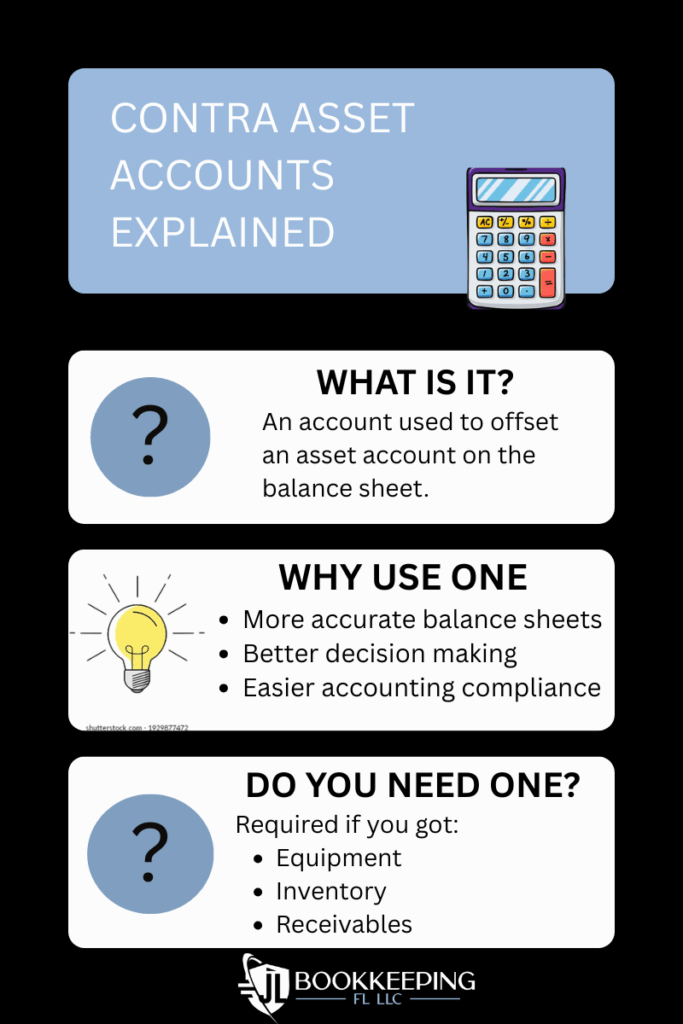
A contra asset account is an account that offsets the balance of a related asset account. While regular asset accounts carry a debit balance, contra asset accounts carry a credit balance, which is the opposite of what you’d expect from an asset. That’s why they’re called “contra”—they go against the norm.
For example:
- Accumulated Depreciation is a contra asset account linked to fixed assets like buildings or equipment. It shows how much value those assets have lost over time.
- Allowance for Doubtful Accounts offsets Accounts Receivable by estimating how much of the receivables might never be collected.
These accounts don’t hide the original asset values—they simply provide a more realistic picture by showing both the gross and net values on the balance sheet.
Why Would a Business Use a Contra Asset Account?
There are several reasons why businesses set up contra asset accounts:
- Transparency: They help present a clearer financial picture by showing reductions separately rather than adjusting the main asset account.
- Compliance: They support accounting principles like the matching principle and historical cost, which are essential for accurate reporting.
- Strategic Insight: Watching trends in contra accounts (like rising depreciation or bad debts) can help businesses make smarter decisions about investments, pricing, and credit policies.
Do All Small Businesses Need Contra Asset Accounts?
Not necessarily. While contra asset accounts are useful, not all small businesses are required to use them. It depends on:
- The complexity of the business’s operations
- The type of assets they own
- Their accounting method (cash vs. accrual)
- Whether they need detailed financial statements for investors or lenders
For example, a small sole proprietorship with minimal assets might not need to track depreciation separately. But a growing business with equipment, inventory, or receivables will benefit from using contra accounts to maintain accurate records and prepare for future growth.
Final Thoughts
Contra asset accounts may seem like a technical detail, but they’re a powerful tool for financial clarity. Whether you’re a seasoned accountant or a small business owner just starting out, understanding how these accounts work can help you make better decisions and keep your books in top shape.